Canadian Citizenship
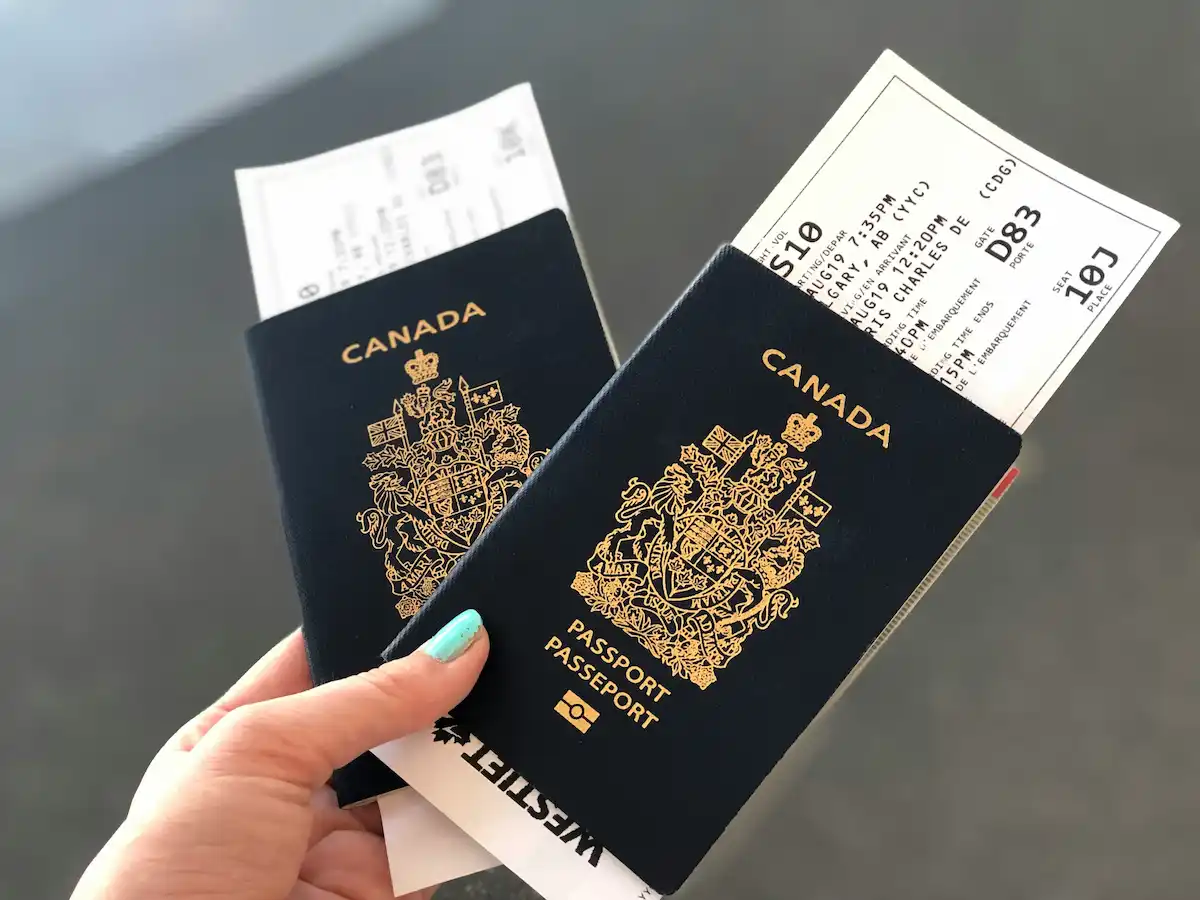
Photo of two Canada passports with boarding passes inside.
Abstract flowing waves in grayscale creating a smooth, undulating pattern with light and shadow gradients

Overview

Canadian citizenship is the final step in your immigration journey — and for most permanent residents, it's the most meaningful one.

To apply, you need to meet a physical presence requirement, pass a knowledge test, and submit a thorough application backed by solid documentation.

While the process is more straightforward than many PR applications, getting the physical presence calculation right requires careful attention to your full travel history — and errors here can delay or jeopardize your application.

Working with a Canadian citizenship consultant ensures your physical presence calculation is accurate and your application is submitted correctly the first time.

Is it for you?

You are a permanent resident and believe you have met the physical presence requirement to apply for citizenship.

You are not sure whether you qualify yet and want an accurate calculation of where you stand.

You have traveled frequently and want a professional to carefully calculate your physical presence before you apply.

You want a licensed professional to handle your application and make sure everything is documented correctly.

Permanent Residence

In Canada

Canadian Citizenship

Frequently Asked Questions

  • How is physical presence calculated?

    You need to have been physically present in Canada for at least 1,095 days out of the five years before your application. Every trip outside Canada — no matter how short — must be accounted for and documented. Getting this calculation right requires a thorough review of your full travel history, and errors can result in your application being returned or refused.

  • Does time spent in Canada before becoming a PR count?

    Partially. Time spent in Canada on a valid work or study permit before you became a permanent resident counts at half the rate — meaning two days of pre-PR presence equals one day toward your requirement. This is something many applicants are unaware of and can work in your favour.

  • What is the citizenship knowledge test and how hard is it?

    The knowledge test covers Canadian history, geography, rights and responsibilities, and how government works. It is based on the official study guide — "Discover Canada" — which is available for free online. Most applicants who prepare adequately find it manageable. You will be notified of your test date after your application is processed.

  • Do I need to give up my current citizenship to become Canadian?"

    Not necessarily — Canada allows dual citizenship, so in most cases you can become a Canadian citizen without renouncing your existing one. However, your home country may have its own rules about dual citizenship, so it's worth checking what applies to your situation before applying.

  • How is physical presence calculated?

    You need to have been physically present in Canada for at least 1,095 days out of the five years before your application. Every trip outside Canada — no matter how short — must be accounted for and documented. Getting this calculation right requires a thorough review of your full travel history, and errors can result in your application being returned or refused.

  • Does time spent in Canada before becoming a PR count?

    Partially. Time spent in Canada on a valid work or study permit before you became a permanent resident counts at half the rate — meaning two days of pre-PR presence equals one day toward your requirement. This is something many applicants are unaware of and can work in your favour.

  • What is the citizenship knowledge test and how hard is it?

    The knowledge test covers Canadian history, geography, rights and responsibilities, and how government works. It is based on the official study guide — "Discover Canada" — which is available for free online. Most applicants who prepare adequately find it manageable. You will be notified of your test date after your application is processed.

  • Do I need to give up my current citizenship to become Canadian?"

    Not necessarily — Canada allows dual citizenship, so in most cases you can become a Canadian citizen without renouncing your existing one. However, your home country may have its own rules about dual citizenship, so it's worth checking what applies to your situation before applying.